
In today’s fast-moving digital world, visibility online is no longer optional—it’s essential. Whether you’re running a local business, an eCommerce store, or a service-based website, showing up in search results can directly influence your success. While AI-powered answers are becoming more common, SEO rankings in traditional search results still play a vital role in attracting users, building trust, and driving conversions.
This guide will walk you through how SEO rankings work, what truly influences them, and how you can improve your website’s performance with practical, human-focused strategies.
What Are SEO Rankings?
Simply put, SEO rankings refer to the position your website holds in search engine results pages (SERPs) for a specific query. These rankings are “organic,” meaning you don’t pay for them like ads.
For example, if someone searches for “best digital marketing services”, and your website appears on the first page—especially near the top—you’re more likely to receive clicks and traffic.
Search engines like Google use complex algorithms to decide which pages deserve top spots. These algorithms assess factors such as relevance, usability, and credibility.
Why SEO Rankings Still Matter
Even with AI-generated summaries becoming more visible, traditional rankings remain incredibly valuable.
Here’s why:
- Higher rankings increase brand visibility
- They drive consistent organic traffic
- They build trust and authority
- They attract users with strong intent to take action
However, it’s not just about ranking high—it’s about ranking for the right SEO keywords. For instance, targeting “affordable SEO services near me” is far more valuable for a business than a broad term like “what is SEO.”
How Search Engines Rank Websites
Search engines aim to deliver the most relevant and useful results for every query. To do this, they analyse:
- Search intent (what the user really wants)
- Content relevance
- Website authority
- User experience
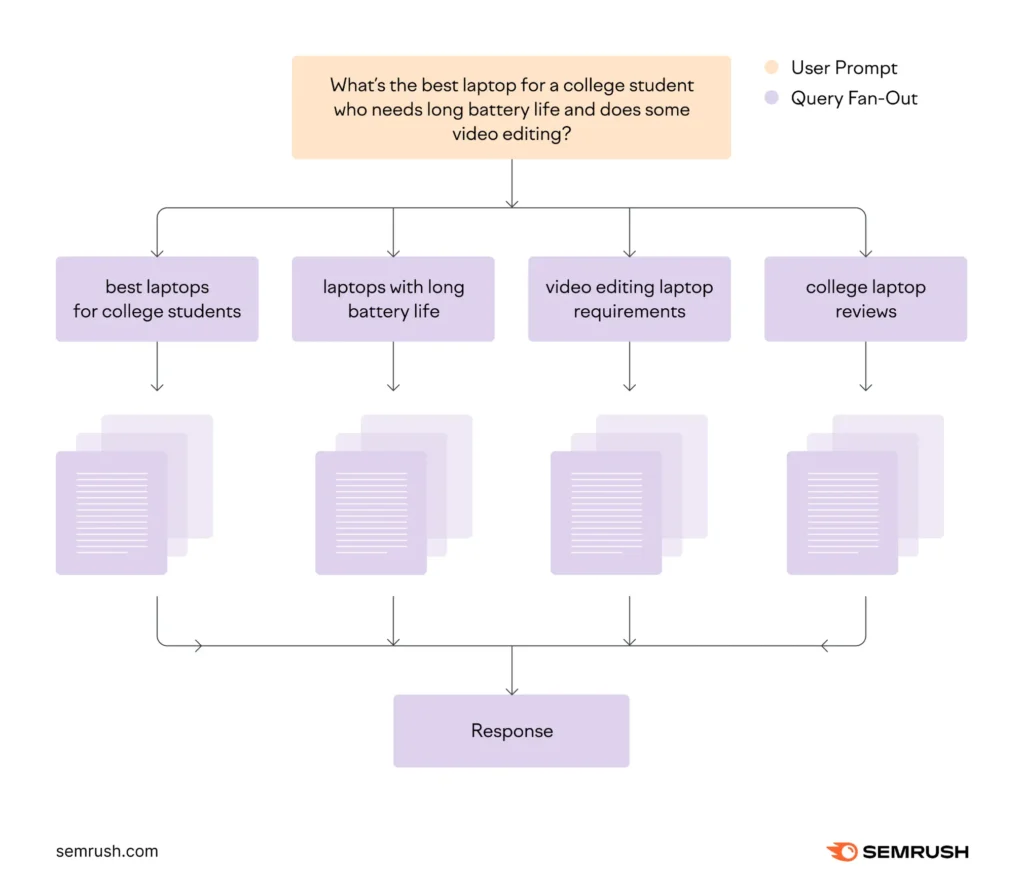
They also rely on a process similar to “query expansion,” where a single search is broken into multiple related ideas to better understand context.
Key Factors That Influence SEO Rankings
SEO is generally divided into three main areas:
1. On-Page SEO
This focuses on optimising your website content and structure.
Important elements include:
- Title tags: Your page’s headline in search results
- Meta descriptions: Short summaries that encourage clicks
- Header tags (H1, H2, H3): Help organise content clearly
- Internal linking: Connects pages across your site
- Image alt text: Describes visuals for search engines
Most importantly, your content must include relevant SEO keywords naturally. Avoid keyword stuffing—instead, focus on meaning and clarity.
Content Quality & E-E-A-T
Google values content that demonstrates:
- Experience
- Expertise
- Authoritativeness
- Trustworthiness
To achieve this:
- Keep your content accurate and updated
- Share real insights or experiences
- Use credible references
- Write for humans, not just algorithms
2. Off-Page SEO
This focuses on building your website’s reputation outside your own domain.
Key strategies include:
- Backlinks: Links from other websites to yours
- Brand mentions: Even without links, these boost credibility
- Reviews: Especially on platforms like Google
- Influencer collaborations: Expands reach and trust
High-quality backlinks from relevant websites are far more valuable than a large number of low-quality ones.
3. Technical SEO
This ensures your website functions properly and is easy for search engines to crawl.
Important aspects include:
- Core Web Vitals (speed, stability, responsiveness)
- Mobile-friendliness
- HTTPS security
- Clean site structure
- No intrusive pop-ups
Think of technical SEO as the foundation—without it, even great content may struggle to rank.
How to Improve Your SEO Rankings
Now let’s look at practical ways to boost your performance.
Target Low-Competition SEO Keywords
One of the smartest strategies is focusing on keywords that are easier to rank for.
Instead of targeting highly competitive terms, go for:
- Long-tail keywords
- Local search phrases
- Niche-specific queries
For example:
- “best SEO services for small businesses UK”
- “local SEO expert near me”
These keywords may have lower search volume, but they often bring higher-quality traffic.
Understand Search Intent
Before creating content, analyse what users actually want.
Ask yourself:
- Are they looking for information?
- Do they want to buy something?
- Are they comparing options?
Then create content that directly answers those needs.
For example, if users search “top website design agencies”, they expect comparison-style content—not a general blog post.
Fix Technical Issues
Even small technical problems can hurt your rankings.
Use tools like Google Search Console to check:
- Indexing issues
- Page errors
- Mobile usability
- Security problems
Fixing these ensures your site is accessible and efficient.
Build High-Quality Backlinks
Backlinks remain a strong ranking signal.
Here are effective methods:
- Guest posting on relevant websites
- Creating share-worthy content
- Reaching out to bloggers and journalists
- Fixing broken links and replacing them with your content
Focus on quality, not quantity.
Create Consistent, Valuable Content
Content is still king—but only if it’s useful.
Your content should:
- Answer real questions
- Provide actionable insights
- Be easy to read
- Include natural SEO keywords
Publishing regularly also signals to search engines that your site is active and relevant.
Track Your Progress
Monitoring your performance helps you improve faster.
Track:
- Keyword positions
- Organic traffic
- Click-through rate (CTR)
- Impressions
If a page gets impressions but no clicks, it may need a better title or meta description.
Common SEO Mistakes to Avoid
Even good strategies can fail if you make these mistakes:
- Overusing SEO keywords (keyword stuffing)
- Ignoring mobile optimisation
- Publishing low-quality or duplicate content
- Building spammy backlinks
- Neglecting user experience
Always prioritise the user first—search engines reward that approach.
The Future of SEO
SEO is evolving rapidly with AI playing a larger role. However, the fundamentals remain the same:
- Create helpful content
- Build authority
- Provide a great user experience
Websites that focus on genuine value will continue to perform well, regardless of algorithm updates.
Final Thoughts
Improving your SEO rankings isn’t about shortcuts—it’s about consistency, quality, and understanding your audience.
By focusing on:
- Strong on-page SEO
- Effective off-page SEO
- Solid technical SEO
you can build a long-term strategy that drives real results.
Remember, SEO is a journey, not a one-time task. Stay updated, keep testing, and always aim to provide better value than your competitors.